Jinja, Uganda - Jinja Regional Referral Hospital (JRRH), in partnership…
Jinja Regional Referral Hospital Hosts Fistula Camp to Restore Dignity and Strengthen Specialist Care
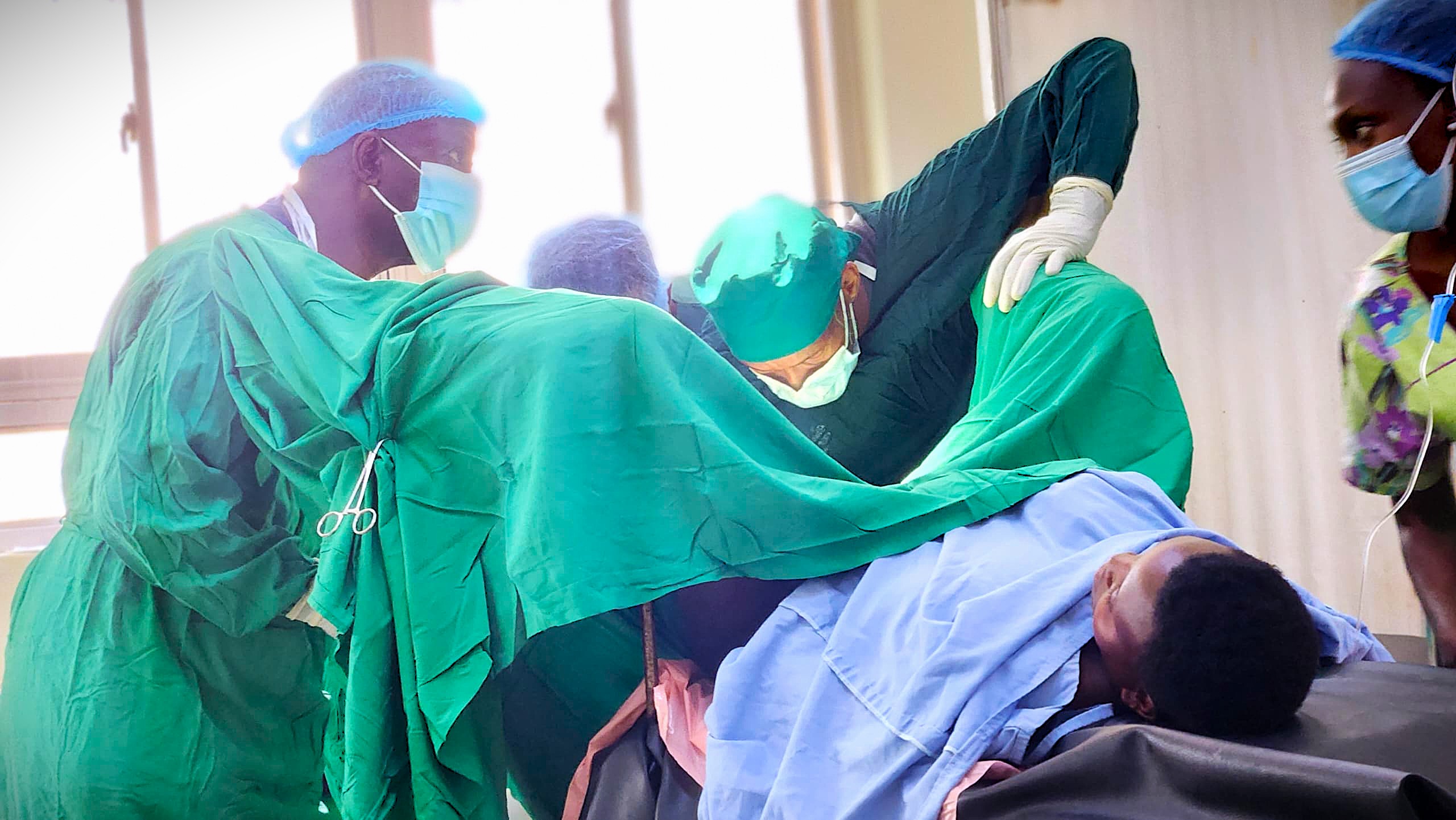
Jinja, Uganda – Jinja Regional Referral Hospital hosted an Obstetric Fistula Camp aimed at providing life changing treatment to women living with childbirth-related injuries, while strengthening the capacity of health workers to provide specialised fistula care in the Busoga region.
The camp, ran from 13–20 September, supported by Marie stopes under the STOP project which is an abbreviation for — Survivors Treatment of Obstetric Fistula Prevention — a three-year initiative being implemented in Busoga since 2024 to reduce the burden of obstetric fistula, restore dignity among survivors and strengthen access to specialised treatment.
The programme focuses on women who have developed fistula and other childbirth-related injuries, providing specialist assessment, reconstructive surgery, post-operative care and support for reintegration into their communities.
Specialists worked with teams at Jinja Regional Referral Hospital to screen and treat women referred from different parts of the country.
On one of the camp’s busiest days, 15 women underwent fistula repair surgery, with specialist surgeons from Mulago Regional Referral Hospital working alongside surgeons being mentored in fistula surgery.
The mentorship component is an important part of the programme’s long-term approach. Beyond treating patients during individual camps, the project is mentoring surgeons, midwives, nurses and theatre staff in fistula management, including surgical procedures and post-operative care.
Uganda has a limited number of specialists trained to perform fistula repair surgery. Building the capacity of regional health workers therefore creates an opportunity for women to access specialised care closer to their communities, even beyond the life of the project.
The STOP project set a target of reaching 900 women during its initial three-year phase. So far, approximately 860 women have been reached, including women treated during the current camp.
The project is now approaching the end of its first phase, with three more camps planned to help complete the initial target.
A larger Mega Fistula Camp is planned for 25–30 October, providing another opportunity to identify and treat women living with fistula and other childbirth-related injuries.
The programme has also conducted camps in different parts of the country, with women being referred from areas including Lira, Kakumiro and Kibale, among others.
For many survivors, accessing treatment requires travelling long distances. Some women attending the Jinja camp have been mobilised from outside the Busoga region. Community health workers and Village Health Teams (VHTs) play an important role in identifying women who may be living with fistula, encouraging them to seek treatment and supporting them through the referral process.
Women attending the camp receive support throughout the treatment journey, including screening, surgery, medication, meals and post-operative care. As well as reintegration into their community where they had earlier either self-isolated or had been shunned owing to their conditions.
The length of recovery varies depending on the complexity of the injury and the individual patient’s condition. Some women require extended monitoring and post-operative support before they can safely return home.
For some survivors, the journey to treatment has taken years. Obstetric fistula can occur following prolonged or obstructed labour when damage develops between the birth canal and the bladder or rectum. Women may subsequently experience continuous or uncontrollable leakage of urine or stool.
Beyond the physical effects, fistula can have profound social and emotional consequences. Fear, stigma, isolation and lack of information can prevent women from seeking help, sometimes leaving them to live with the condition for many years.
The specialists at the camp emphasise that fistula is treatable, and women experiencing persistent urine or stool leakage following childbirth should seek medical attention.
The STOP project is also supporting health facilities in the region to strengthen their ability to respond to fistula cases. Support to Jinja Regional Referral Hospital and other facilities has included donation of theatre equipment such as operating tables and beds, specialised fistula surgical kits and other essential equipment.
Buhinja Health Centre IV has also received support including an air-conditioning system and ultrasound equipment to strengthen its capacity. The investment is intended to ensure that the benefits of the programme extend beyond individual camps by strengthening the health system and developing a pool of health workers with specialised knowledge and skills.
For the women attending the camp, successful surgery is only one part of recovery. The programme also places emphasis on post-operative care, counselling, community support and reintegration.
After years of living with uncontrolled leakage, some women may have withdrawn from social and family life because of embarrassment or stigma. Helping them return to their communities with confidence and dignity is therefore an important part of the intervention.
The STOP project’s approach combines treatment, prevention, specialist mentorship, community mobilisation, post-operative care and reintegration.
As Jinja Regional Referral Hospital continues to host fistula camps, the message to women living with childbirth-related injuries remains clear: Fistula is treatable. Women do not have to suffer in silence.
By Martha Agama Elizabeth
Related Posts


This Post Has 0 Comments