Jinja, Uganda - Jinja Regional Referral Hospital (JRRH), in partnership…
CDC Country Representative Visits the Hospital to Review the Impact of the Cooperative Agreement
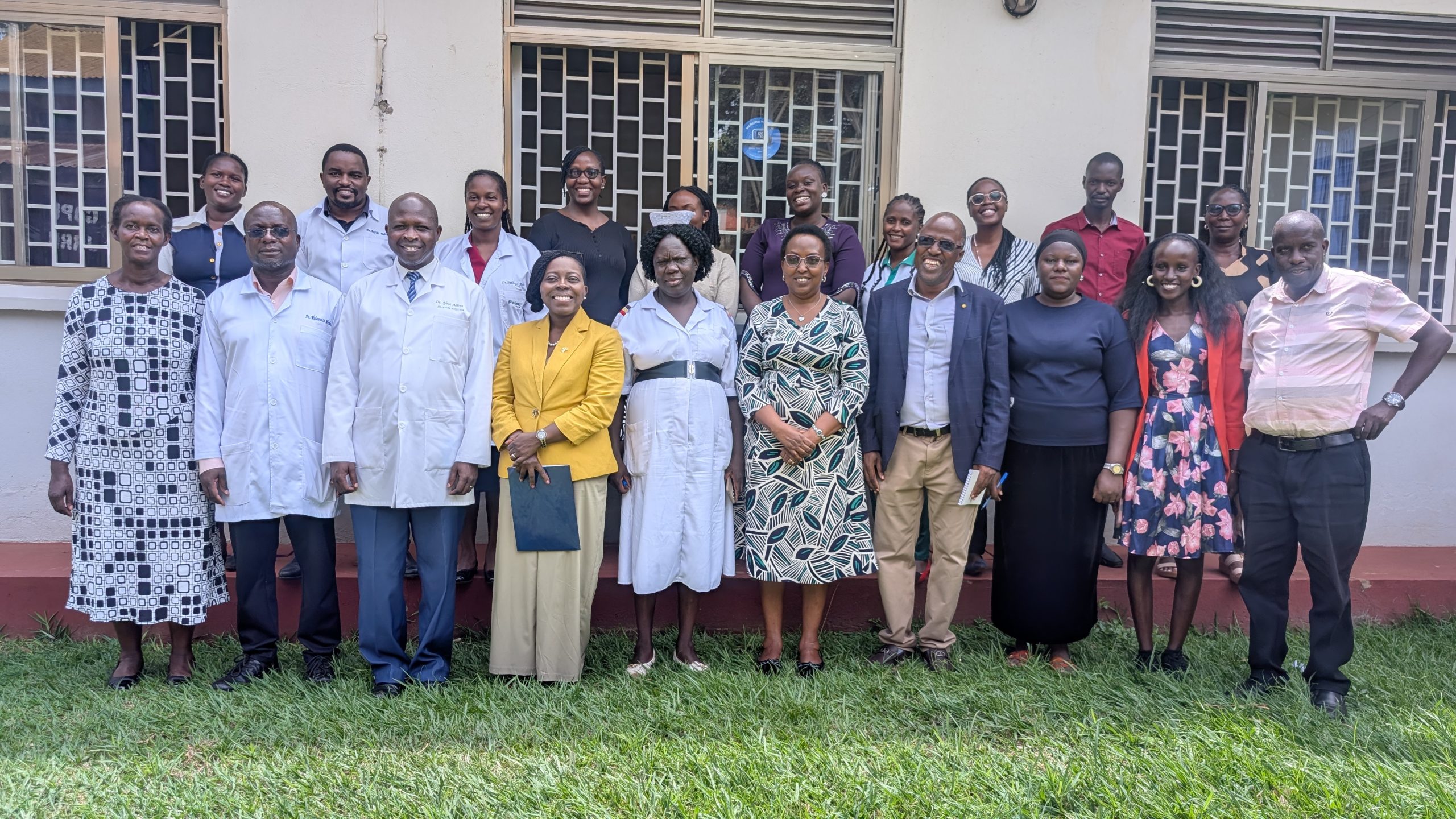
Jinja, Uganda – Jinja Regional Referral Hospital (JRRH) has hosted the United States Centers for Disease Control and Prevention (CDC) Uganda Country Director, Dr. Mary Boyd, for a review of the gains made through the long-standing partnership between the U.S. Government and Uganda’s health sector.
Led by the Senior Executive Consultant, Can. Dr. Alfred Yayi, the hospital team, the CDC team and Dr. Boyd toured several hospital facilities and reflected on the progress made, the impact of the partnership on service delivery and the priorities for sustaining these gains as the current phase of CDC-supported interventions approaches its conclusion.
The engagement provided an opportunity to move beyond project indicators and assess what the investments have meant for patients, health workers and the hospital’s capacity to deliver care.
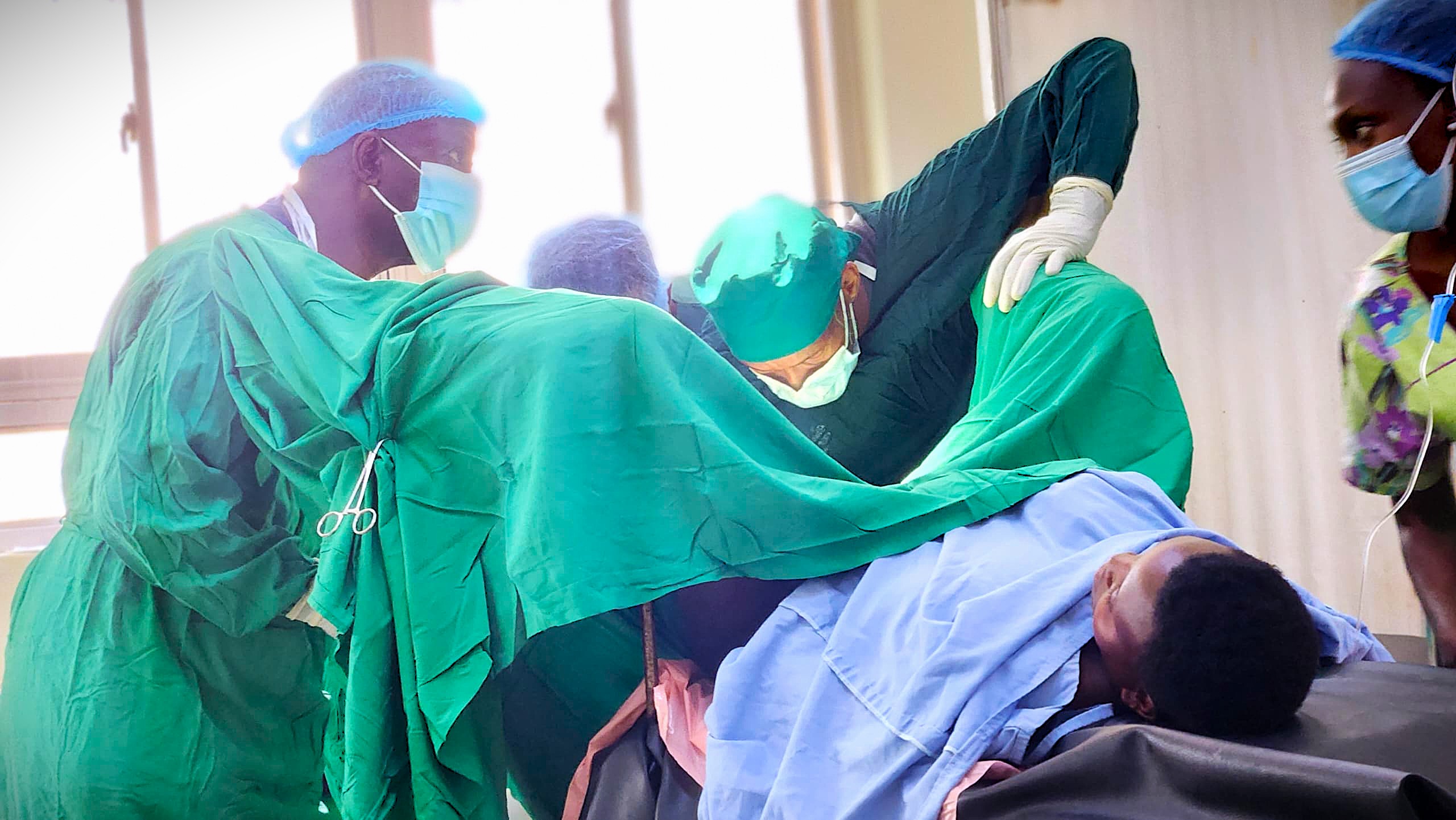
Over the course of the partnership, JRRH has benefited from support aimed at strengthening health systems and improving the quality of care. Among the gains highlighted during the review was the rehabilitation of the Orthopaedic Theatre, improvements in ICT infrastructure and health information systems, strengthened data verification processes and support to chronic care services.
These interventions have contributed to improvements in performance and strengthened the hospital’s ability to use reliable data to identify gaps and improve services. For Dr. Mary Boyd, however, the true measure of such investments goes beyond the figures reported in performance indicators.
She commended JRRH for its commitment and urged stakeholders to look at the real impact of health investments on patients and communities. The focus, she noted, should not only be on the funds provided or the targets achieved, but also on the lives touched and the patients whose access to quality healthcare has been improved.
One of the key issues emerging from the review was the sustainability of services currently benefiting from external support.
JRRH provides care to a large and growing population from across the Busoga region and beyond, with significant demand for chronic care services, including treatment and follow-up for hypertension, diabetes and sickle cell disease. The hospital’s Chronic Care Clinic alone serves thousands of patients, placing considerable pressure on available human resources, space and other service delivery infrastructure.
Stakeholders therefore emphasised the importance of a smooth transition as CDC-supported programmes wind down, particularly in relation to human resources and services that have become integral to the hospital’s operations.
The need to sustain the gains made was considered critical to ensuring that patients do not experience interruptions in care.
The review also highlighted a challenge that extends beyond the hospital: the capacity of lower-level health facilities to provide services effectively. When health centres are unable to provide adequate services, patients are often referred to regional referral hospitals, increasing congestion and placing additional pressure on already stretched resources.
Stakeholders called for continued investment in lower-level facilities so that more patients can access appropriate care closer to home, while JRRH can concentrate on its role as a regional referral and specialised care facility.
The discussions further emphasised the need to shift greater attention towards prevention and health promotion, rather than relying heavily on costly treatment after preventable conditions have progressed.
Despite the progress made, the review acknowledged that significant gaps remain. These include congestion and limited space, medicine stock-outs, human resource constraints and the need for additional infrastructure to respond to the growing demand for services.
At the Nalufenya Campus, for example, the hospital has approximately 80 beds serving a substantial patient population, contributing to pressure on available space.
The planned establishment of a regional blood bank, with support from the Government of the Republic of Korea, is expected to strengthen access to blood and blood products and improve the hospital’s capacity to respond to patients requiring transfusion services.
Stakeholders also underscored the importance of continued investment in health workers and infrastructure as part of efforts to build a resilient regional health system.
The engagement comes at an important point in the partnership as stakeholders consider how best to sustain the progress achieved and address the gaps that remain.
By Martha Agama Elizabeth
Related Posts


This Post Has 0 Comments