Jinja, Uganda - Jinja Regional Referral Hospital (JRRH), in partnership…
Jinja Regional Referral Hospital Strengthens Community Accountability Through Budhumbuli Community Baraza
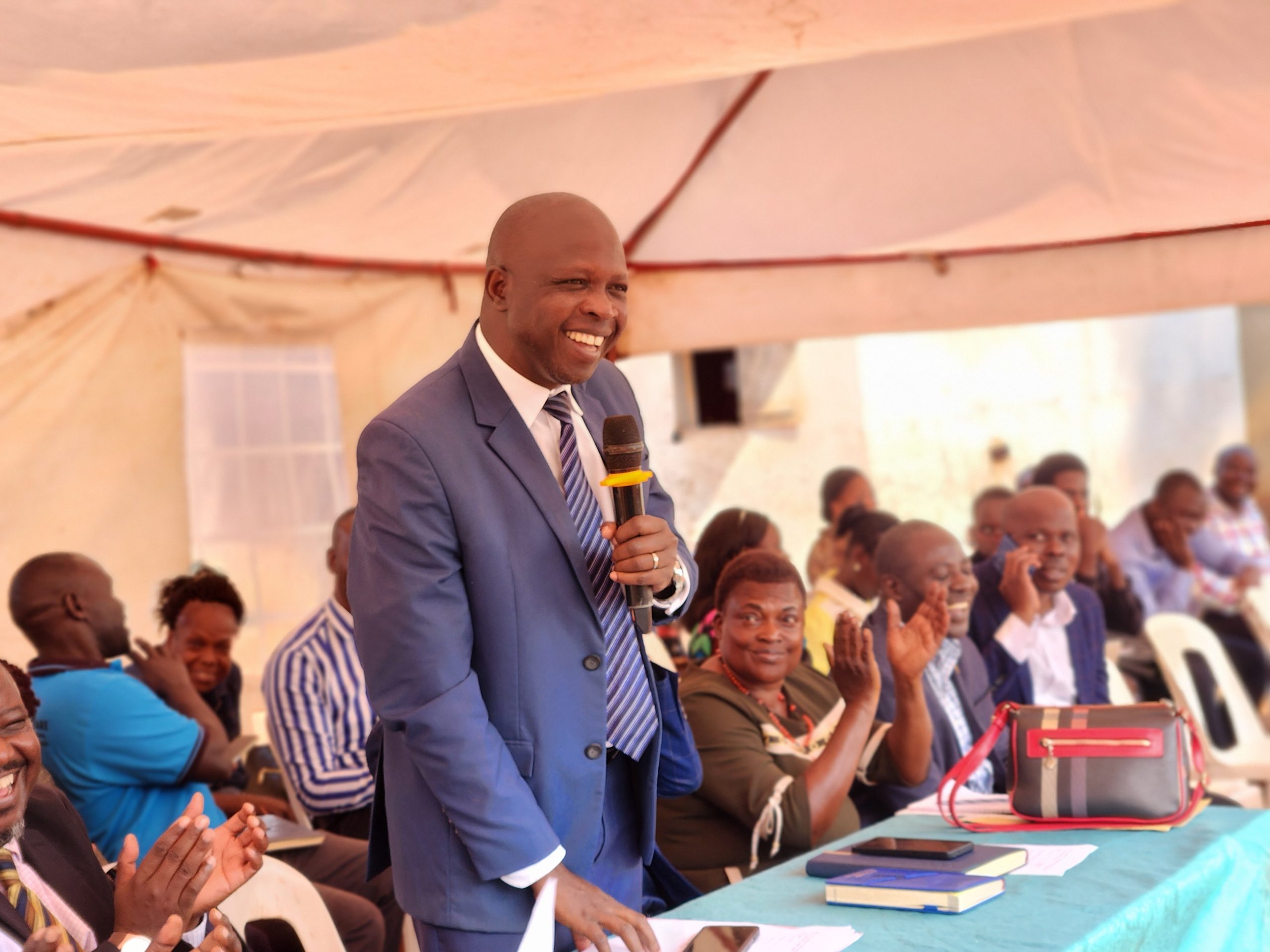
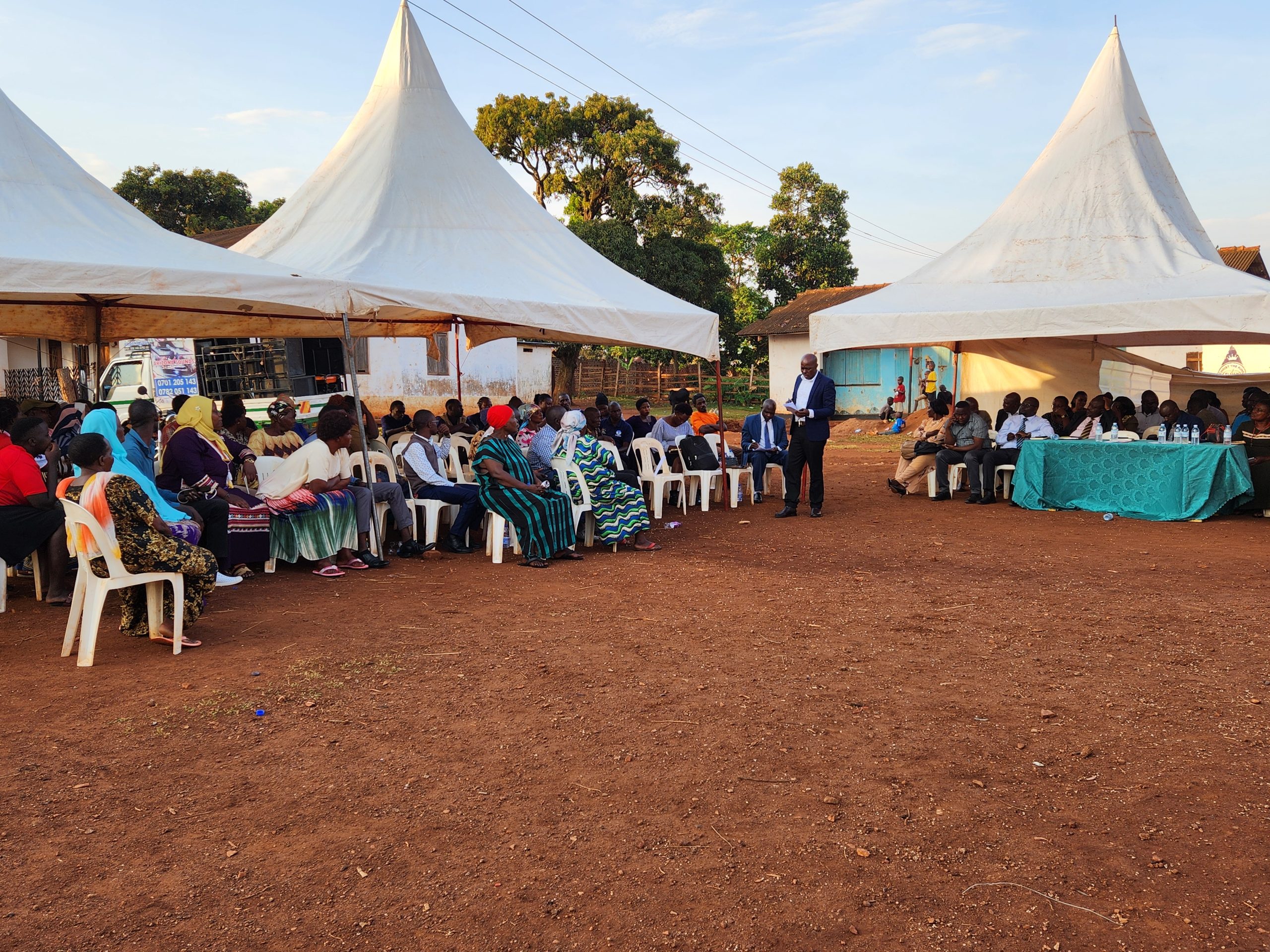
Jinja Regional Referral Hospital successfully held its third Community Baraza at Budhumbuli, Bugembe Sub County bringing together hospital leadership, representatives from the Ministry of Health, local government officials, Village Health Teams (VHTs), community leaders, and residents to strengthen accountability, promote transparency, and enhance collaboration in healthcare service delivery.
The Community Baraza forms part of the Ministry of Health’s initiative to create a platform where health facilities engage directly with the communities they serve. The engagement enables hospitals to share information about available services, receive public feedback, and jointly identify solutions to improve healthcare delivery. The Budhumbuli baraza marked the hospital’s third community baraza following earlier engagements held in November 2025 and February 2026.
Speaking at the opening of the Baraza, the Chairperson of the community encouraged participants to speak openly about both their positive experiences and the challenges they have encountered while seeking healthcare services. He emphasized that honest dialogue is essential in identifying practical solutions and improving the quality of care. He also commended Village Health Teams for their continued contribution to promoting health within the community.
The Town Clerk thanked those who attended despite the low turnout and urged participants to act as ambassadors by sharing the information discussed with the wider community. He described the baraza as an important opportunity for residents to better understand the services offered by Jinja Regional Referral Hospital and expressed pride that the hospital remains home to the region’s dedicated children’s hospital.
The Hospital management, led by the Senior Executive Consultant, Dr. Alfred Yayi presented the hospital’s vision of becoming a centre of excellence and reaffirmed its mission of providing specialized healthcare services closer to the people of the region. Participants were taken through the hospital’s core functions, which include provision of specialized and general healthcare, training of health professionals, research, public health services, and support supervision of lower-level health facilities.
Community members also received an overview of the wide range of services offered across the hospital’s three campuses through departments including Paediatrics and Child Health, Internal Medicine, Surgery and more.
Hospital management highlighted key challenges affecting service delivery, including inadequate staffing, limited infrastructure, medicine shortages, blood shortages due to the absence of a regional blood bank, and theft of hospital property. The community was informed that services in all departments, except the Private Wing, are provided free of charge and encouraged to report any requests for unofficial payments.
During the interactive session, community members applauded the hospital for improvements in cleanliness, the professionalism and dedication of health workers, and the quality of care received in several departments. They also raised concerns relating to congestion in the maternity ward, delays on emergency services, shortages of medicines and beds, delays in service delivery, and allegations of unofficial charges.
The heads of departments responded to each concern, explaining ongoing measures to improve procurement of essential medicines and emergency supplies, expand public education on non-communicable diseases, renovate the dental department, strengthen emergency services, and address infrastructure limitations. Management further clarified that any legitimate payments are made only through the Private Wing and are accompanied by official receipts, urging members of the public to report any individual demanding unauthorized payments.
In his closing remarks, the Senior Executive Consultant encouraged community members to continue reporting complaints and suggestions through the hospital’s Public Relations Office, which serves as the first point of contact for patient feedback. He also advised patients to first confirm medicine availability through the hospital pharmacy before purchasing medicines elsewhere.
The Baraza concluded with a renewed commitment by hospital leadership, local leaders, and community members to work together in strengthening accountability, improving healthcare services, and ensuring that every patient receives quality, accessible, and compassionate care.
By Martha Agama Elizabeth
Related Posts


This Post Has 0 Comments